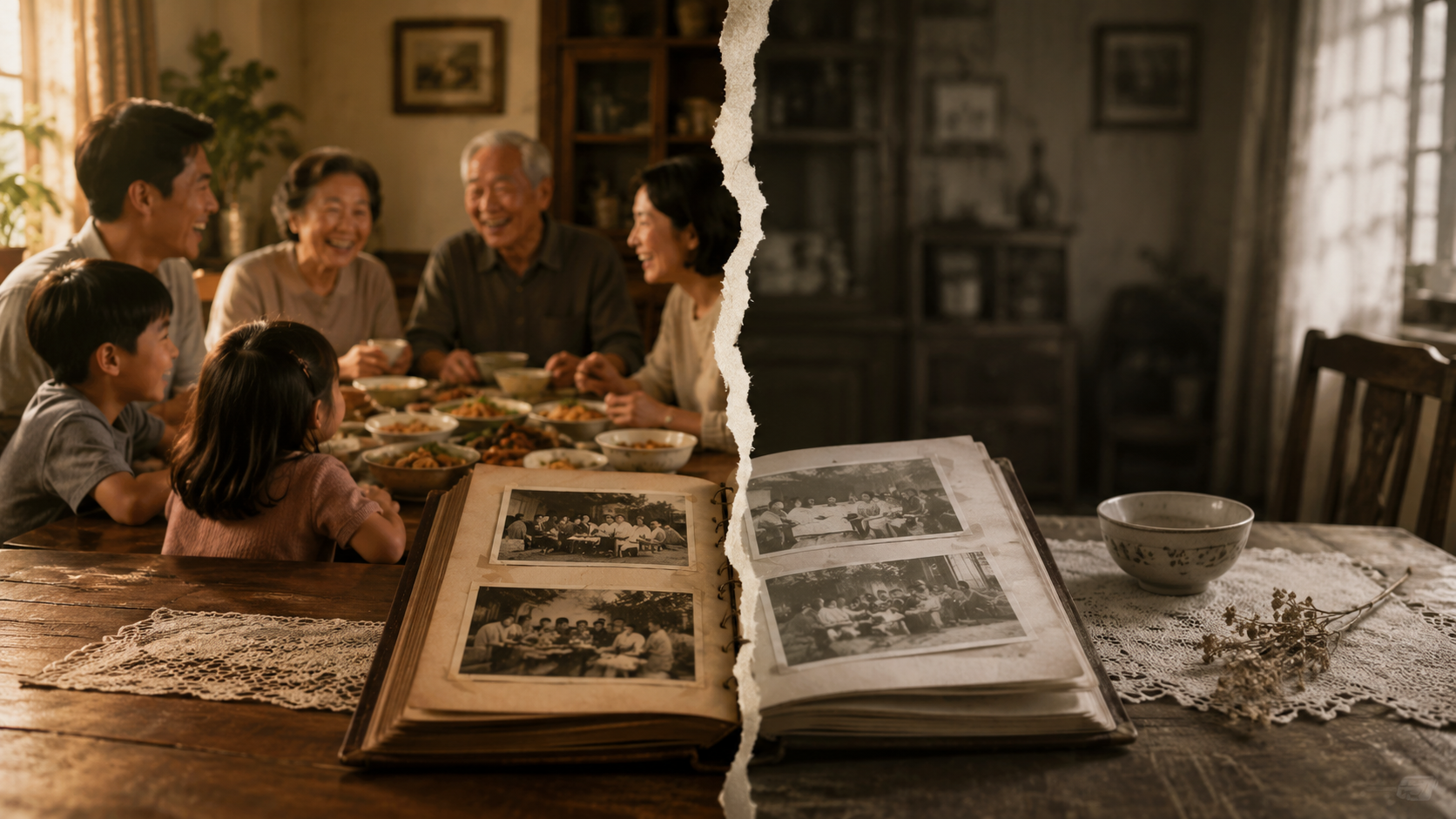
Family traditions can seem ordinary while they are still part of everyday life. A certain meal prepared on a holiday, a yearly gathering at a grandparent’s home, a special way of celebrating a birthday, or even a simple Sunday ritual can become so familiar that nobody stops to ask why it matters.
But traditions do not always survive unchanged. As families move to different cities or countries, generations grow apart, schedules become busier, and younger family members develop different interests. A tradition that once brought everyone together can slowly become less frequent until, eventually, it disappears.
What happens when that occurs?
The Loss Is Often Bigger Than the Tradition Itself
When a family tradition disappears, the immediate loss may appear small. Perhaps nobody makes the old recipe anymore. Maybe the annual gathering is replaced by a few messages in a family group chat.
Yet traditions often carry memories that cannot easily be separated from the activity itself.
A particular dish may remind someone of childhood. A familiar song may bring back memories of relatives who are no longer alive. A yearly gathering may have been one of the few moments when cousins, grandparents, and grandchildren could spend meaningful time together.
This is why losing a tradition can sometimes feel surprisingly emotional. People are not necessarily mourning an activity. They may be mourning a connection to a particular period of family life.
Traditions Give Families a Sense of Continuity
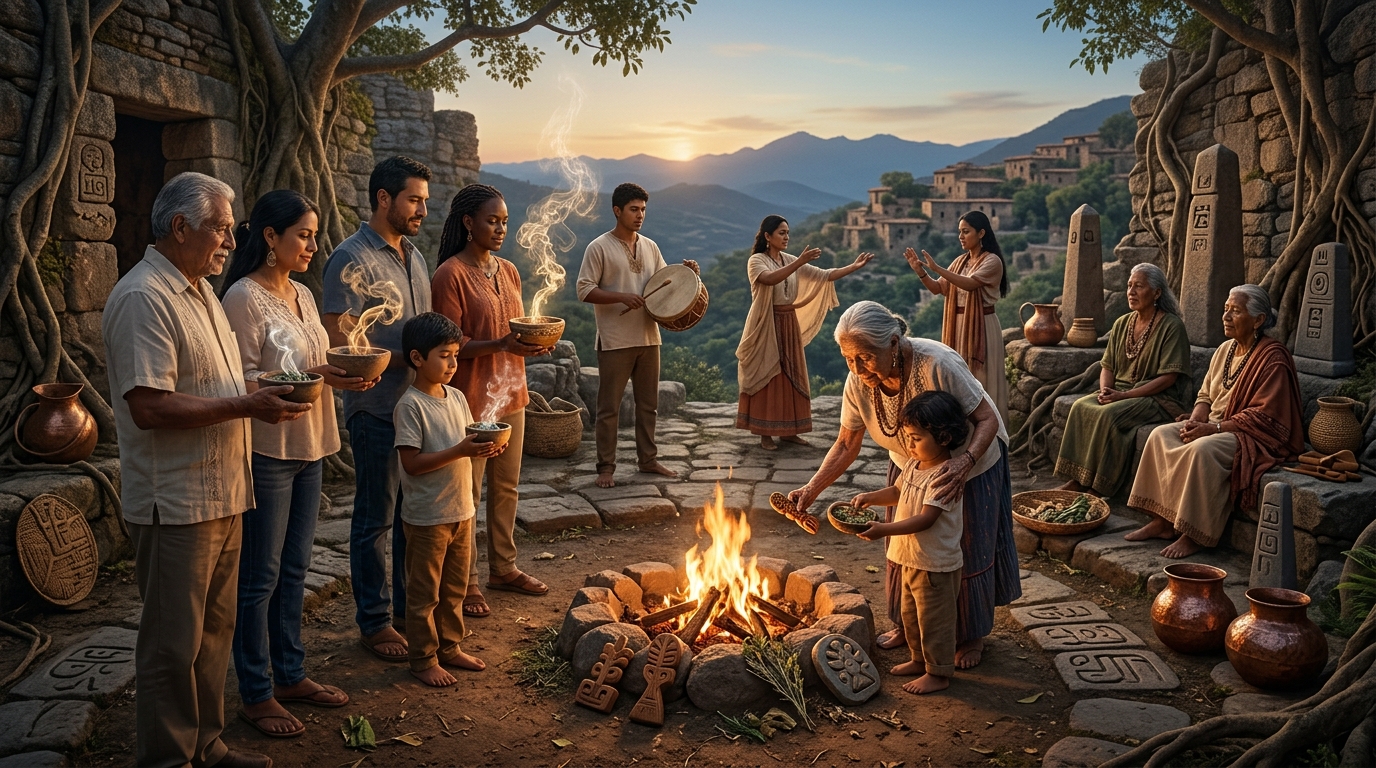
One of the most powerful things about family traditions is their ability to connect different generations.
A child who learns how to prepare a family recipe from a grandparent is not simply learning how to cook. They are participating in something that existed before them and may continue after them.
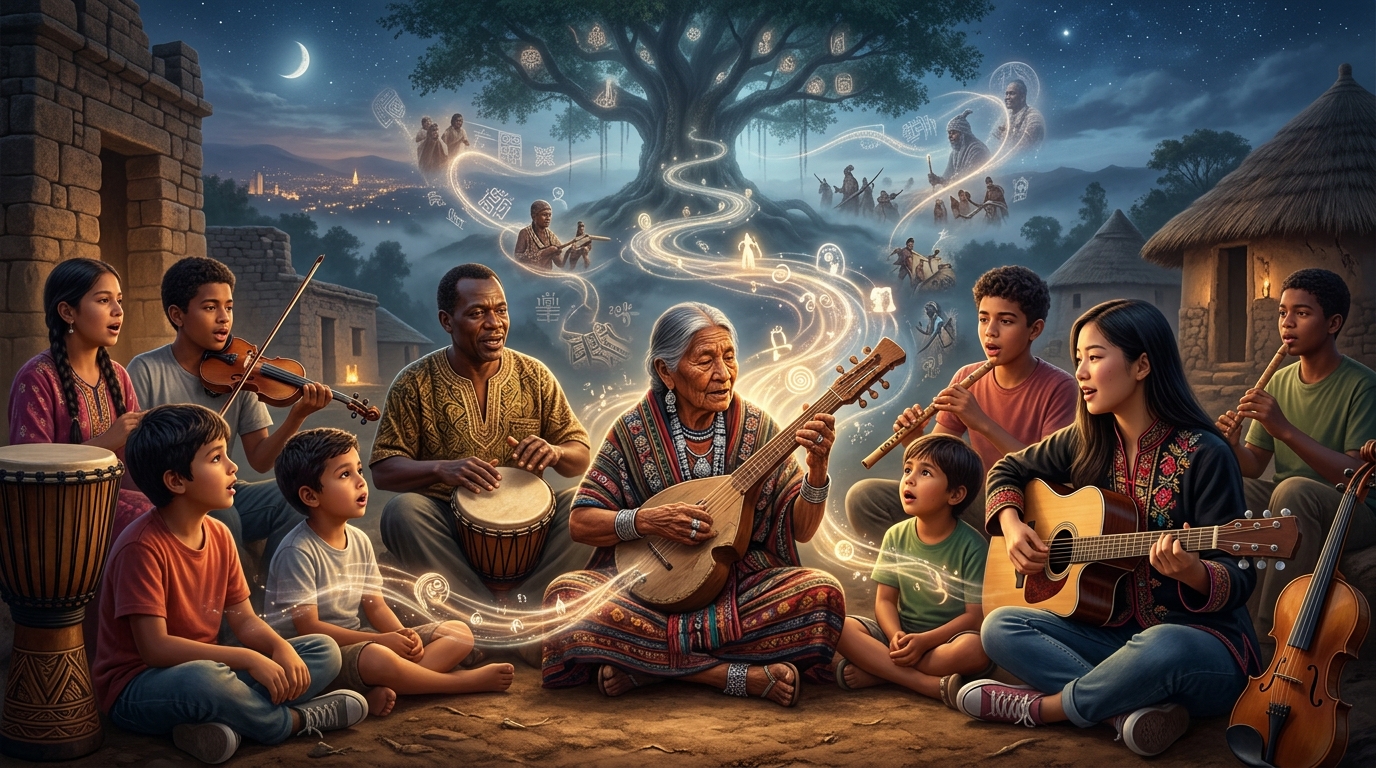
The same can happen with stories, celebrations, crafts, songs, religious or cultural practices, and small household routines.
These repeated experiences create a sense that family life has a history.
Without them, younger generations may know their relatives individually but have fewer shared experiences that connect the family across time.
Modern Life Makes Traditions Harder to Maintain
Traditions do not necessarily disappear because people stop caring.
Modern lifestyles can make them difficult to preserve.
Families may live hundreds or thousands of kilometers apart. Work schedules may conflict. Children may have different school commitments. International migration can introduce new cultures and customs into family life.
Technology also changes how families interact.
Video calls and messaging apps make it easier to stay connected, but digital communication does not always recreate the experience of sitting around the same table or preparing something together.
As a result, some traditions gradually become impractical rather than unwanted.
Younger Generations May Change the Meaning
Another important factor is that traditions naturally evolve.
A younger generation may not want to repeat an old practice exactly as previous generations did. That does not necessarily mean they are rejecting their family history.
They may want to simplify a celebration, change the food, invite different people, or combine an old custom with something new.
This can actually help a tradition survive.
A tradition that is treated as something that can never change may eventually become difficult to maintain. A tradition that is allowed to adapt can remain meaningful while fitting into contemporary life.
What Gets Lost When Nobody Passes It On?
The disappearance of a tradition can also mean the disappearance of knowledge.
Consider a recipe that has always been prepared without written measurements. A grandmother may know exactly how much spice to add simply by experience. If nobody learns the process, that knowledge may disappear with her.
The same applies to stories and skills.
Family members may remember that something was once done, but eventually they may no longer know how, why, or when it was done.
Once the final person who understands the tradition is gone, recovering the original practice can become nearly impossible.
Not Every Tradition Needs to Be Saved
It is also important to recognize that not every tradition deserves to continue simply because it is old.
Some traditions may exclude certain family members, depend on outdated expectations, or create unnecessary pressure. Families change, and their traditions can change with them.
Preserving family history does not mean preserving every detail exactly as it was.
Sometimes the healthiest approach is to keep the meaning while changing the practice.
A family might stop holding an elaborate annual celebration but continue gathering for a simple meal. An old recipe might be adapted for modern dietary preferences. A complicated ceremony might become a smaller family ritual.
The tradition changes, but the connection remains.
Sometimes the Best Way to Preserve a Tradition Is to Document It
Families do not have to wait until a tradition is about to disappear before recording it.
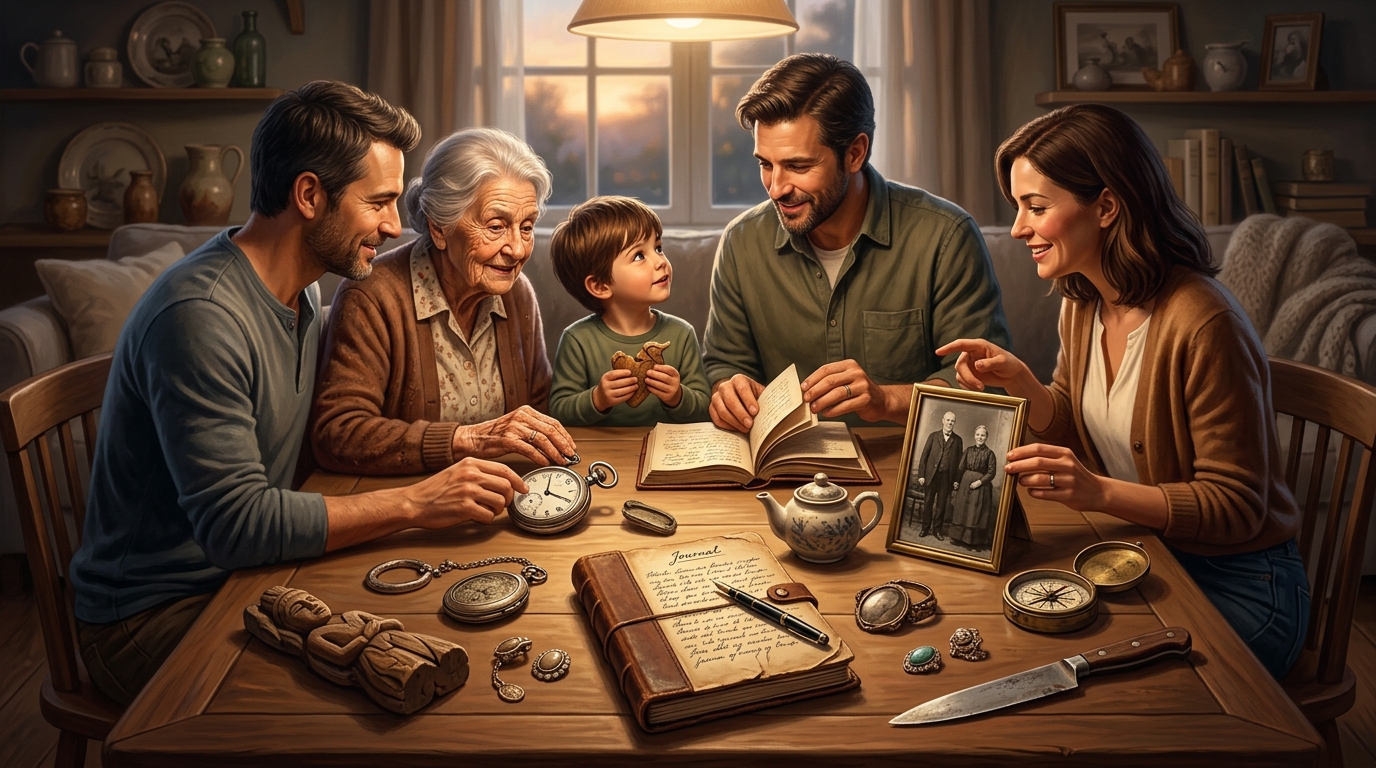
Photographs, recipes, handwritten notes, recordings of family stories, and videos can help preserve pieces of family history.
Even a simple conversation can be valuable.
Asking an older relative why a particular celebration mattered to them can reveal stories that younger family members may never have heard.
The goal does not have to be creating a perfect historical archive. It can simply be making sure that meaningful memories are not forgotten.
A Tradition Can Disappear and Still Leave a Mark
Interestingly, a tradition does not always need to continue forever to have value.
Some family traditions naturally belong to a particular generation or period of life. Their role may have been to bring people together at a specific moment.
Even after the practice disappears, the memories created through it can remain.
A child who grew up attending a yearly family gathering may eventually create a different tradition with their own children. The original practice may be gone, but its influence continues in another form.
In that sense, traditions do not always disappear completely. Sometimes they transform.
The Real Question Is What the Tradition Was Giving the Family
When a family tradition begins to disappear, the most useful question may not be, “How do we keep doing this?”
A better question is:
“What did this tradition give us?”
Was it time together? A connection to grandparents? A sense of cultural identity? An opportunity to tell stories? A reason for distant relatives to come home?
Once the answer becomes clear, families can decide how to preserve that value in a way that makes sense today.
The old tradition may return. It may change. Or it may be replaced by something entirely new.
What matters most is not necessarily keeping every ritual intact. It is making sure that the relationships, memories, and sense of belonging behind those rituals have somewhere to live.
Because when a family tradition disappears, what is truly at risk is not just an activity.
It is the shared memory that once gave everyone a reason to gather.


Leave a Reply