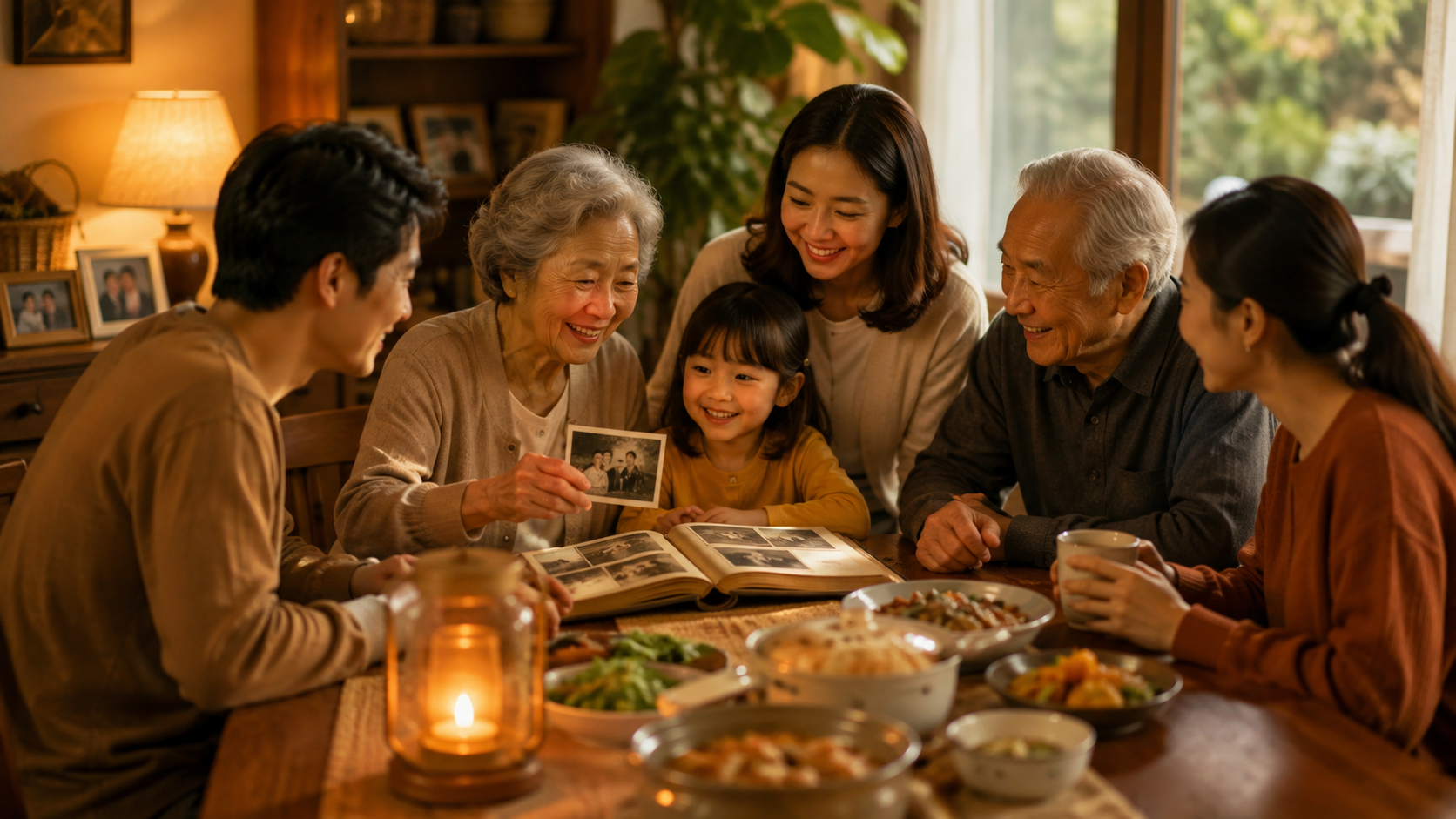
In a world where family schedules are increasingly shaped by work, school, smartphones, and busy routines, some traditions can quietly disappear. A weekly meal may become a quick dinner between activities. Family stories may be replaced by short messages in a group chat. Even simple rituals that once seemed ordinary can feel difficult to maintain.
Yet many families are discovering that traditions do not have to be grand celebrations to remain meaningful. Sometimes, the smallest habits are the ones that keep generations connected.
Why Family Traditions Matter
Traditions give families a sense of continuity. They create moments that people can recognize and anticipate, even as circumstances change.
A tradition might be as simple as preparing a particular meal on a certain day, visiting grandparents every weekend, gathering for a family breakfast, or telling stories about relatives who are no longer around.
These activities create shared experiences. Over time, they become part of a family’s identity.
For children especially, repeated family rituals can provide a feeling of belonging. They learn that certain moments are reserved for spending time together rather than simply completing another task on a busy schedule.
The Family Meal That Almost Disappeared
One of the most common traditions affected by modern life is the shared family meal.
Eating together used to be a regular part of daily life in many households. Today, different work hours, school schedules, commuting, and digital distractions can make it harder for everyone to sit at the same table.
But the value of the tradition does not necessarily depend on having a perfect dinner every night.
A family might choose one evening each week to eat together without phones. Another family may preserve the tradition through a weekend breakfast instead.
What matters is the shared time, not how elaborate the meal is.
Stories Passed From One Generation to Another
Another tradition that can easily be forgotten is storytelling.
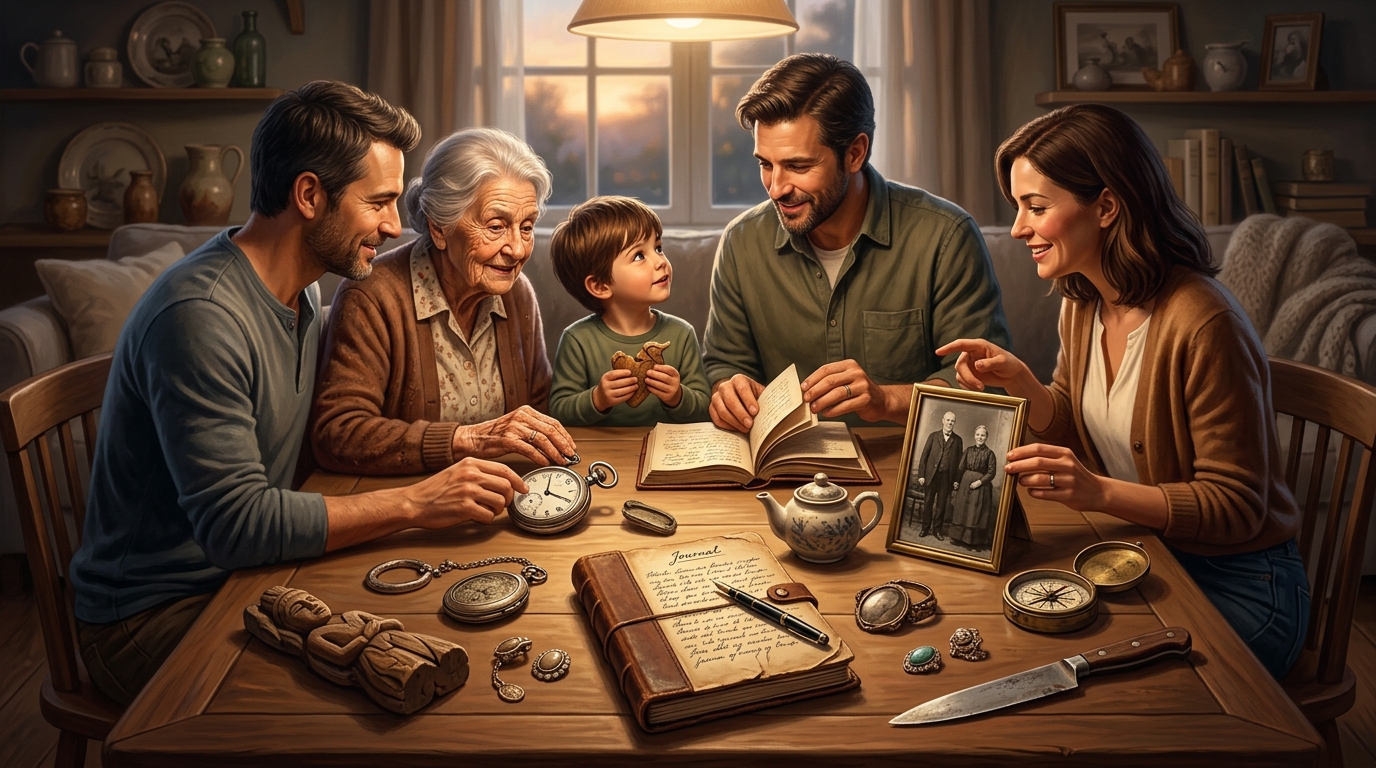
Older family members often carry memories that cannot be found in photographs or official records. They remember what previous generations were like, how families lived, what challenges they experienced, and how certain customs began.
When those stories are never shared, they can disappear with the people who remember them.
A conversation with a grandparent about childhood, family history, or an old neighborhood can become surprisingly valuable. For younger family members, these stories can transform distant relatives into real people with experiences, personalities, and dreams.
Modern technology can even help preserve these memories. Families can record conversations, organize old photographs, or create digital collections that younger generations can revisit later.
Celebrations That Bring Everyone Home
Birthdays, weddings, religious holidays, cultural festivals, and other family celebrations often serve another important purpose: bringing people back together.
Even when relatives live in different cities or countries, certain annual events can become opportunities for reunions.
The celebration itself may change over time. Recipes can be adjusted, decorations can become simpler, and younger family members may introduce new activities.
That does not necessarily mean the tradition is disappearing.
In many cases, it is evolving.
A tradition survives when people continue giving it meaning, even if the way they practice it looks different from previous generations.
The Forgotten Ritual of Visiting Relatives
Regular visits to extended family members are another tradition that modern lifestyles can make difficult.
Distance and busy schedules can turn relatives into people who are only seen during major holidays.
Yet spontaneous visits, weekend gatherings, or regular calls can help maintain relationships that might otherwise become distant.
For older family members, these interactions can be particularly meaningful. For younger relatives, they provide opportunities to develop relationships with people outside their immediate household.
A family does not always need a special occasion to reconnect.
Sometimes, simply showing up is the tradition worth preserving.
Why Simple Traditions Often Survive
The most durable family traditions are not always the most expensive or impressive ones.
A particular recipe, a Sunday walk, an annual photograph, a bedtime story, or a habit of calling relatives on a certain day can become meaningful precisely because it happens repeatedly.
These rituals create familiarity.
Years later, people may not remember every gift they received or every expensive vacation they took. They may remember the smell of a grandmother’s cooking, the jokes told around a table, or the way the family gathered in the same place every year.
That emotional connection is difficult to replace.
Traditions Can Adapt Without Losing Their Meaning
Preserving tradition does not mean refusing to change.
A family that once gathered in person might now combine physical gatherings with video calls when relatives live far away. A handwritten family recipe might be stored digitally. A traditional celebration might include new foods or activities introduced by younger generations.
The important question is not whether a tradition looks exactly the same as it did decades ago.
It is whether it still creates connection.
Families are living communities, and their traditions naturally evolve with them.
Bringing Forgotten Traditions Back
For families hoping to reconnect with older traditions, starting small can make the process easier.
Ask older relatives about customs they remember. Cook an old family recipe. Look through photographs together. Recreate a childhood activity. Set aside one regular day for a family gathering.
The goal is not to recreate the past perfectly.
Instead, it is to recover the parts of the past that still have meaning today.
The Traditions We Choose to Remember
Modern life will continue to change the way families communicate and spend time together. Some old traditions will disappear, while others will adapt into something new.
But the need for connection remains.
A family tradition does not have to be complicated. It simply needs to give people a reason to pause, remember where they came from, and spend meaningful time with one another.
Sometimes, the traditions we almost forget are the very ones that remind us why family matters.


Leave a Reply