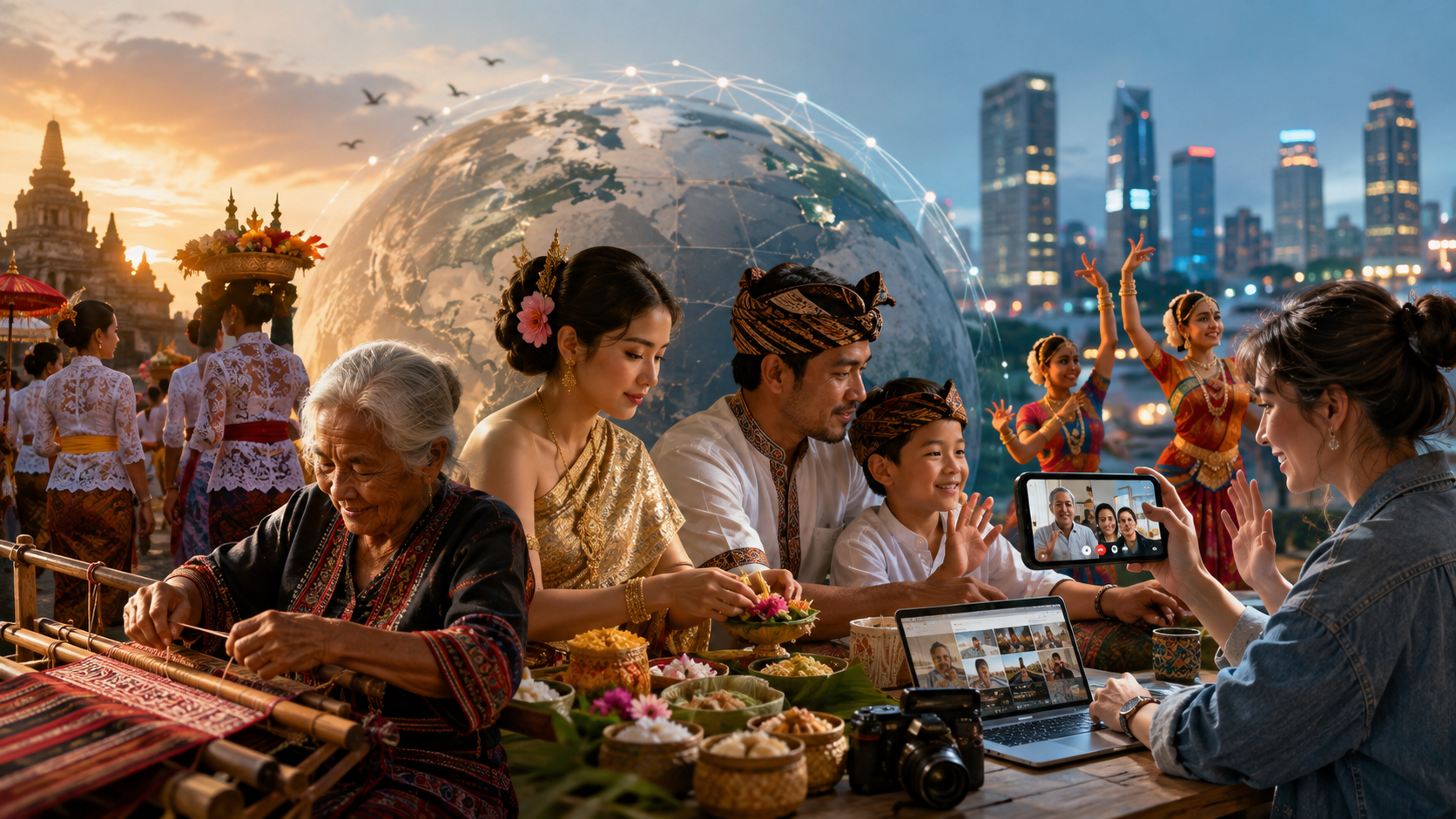
Traditions have always changed. Customs that once seemed permanent have adapted as societies moved, traded, migrated, and encountered new ideas. But modern life is accelerating that process. Technology, urbanization, globalization, changing family structures, and faster lifestyles are reshaping how people celebrate, eat, dress, work, and maintain connections with the past.
This does not necessarily mean traditions are disappearing. In many cases, they are being transformed into something new.
Traditions in a Faster World
Many traditional practices were designed around slower patterns of life. Communities gathered according to agricultural seasons, religious calendars, family schedules, or local events. Modern life operates differently.
People often work long hours, live far from their hometowns, and communicate across continents within seconds. As a result, some traditions are becoming shorter, more flexible, or easier to organize.
A family celebration that once lasted several days might now happen during a single weekend. A community ceremony may attract fewer participants but reach thousands of people through social media.
The tradition remains, but the way people experience it changes.
Urbanization Is Reshaping Community Customs
Moving from rural areas to cities can create another major shift.
Traditional customs often depend on close-knit communities where relatives and neighbors live nearby. In large cities, people may live in apartments, work different schedules, and come from many cultural backgrounds.
Some customs become difficult to maintain in this environment. Others adapt remarkably well.
Urban communities may recreate traditional festivals in public spaces, cultural centers, restaurants, or schools. In this way, traditions can move from the village or extended family into new social environments.
The location changes, but the cultural meaning can survive.
Technology Is Giving Old Traditions a New Life
Technology is sometimes blamed for weakening traditions, but it can also help preserve them.
Families separated by thousands of kilometers can now participate in celebrations through video calls. Younger generations can watch recordings of ceremonies, learn traditional crafts through online tutorials, or discover forgotten recipes through digital archives.
Social media has also turned local traditions into global cultural experiences. A celebration that was once known only within a small community can suddenly attract international attention.
This creates an interesting paradox: technology can distance people from traditional ways of living while simultaneously making traditions easier to document and share.
Food Traditions Are Changing Too
Food may be one of the clearest examples of cultural change.
Traditional recipes are increasingly influenced by migration, international travel, supermarkets, and social media. Ingredients that were once difficult to obtain may now be available almost anywhere.
At the same time, younger cooks often experiment with traditional dishes. They may simplify recipes, introduce new ingredients, or combine techniques from different cultures.
Some people worry that these changes weaken authenticity. Others see them as evidence that food traditions are alive rather than frozen in the past.
A recipe that changes slightly from one generation to another may still carry memories, identity, and family history.
Clothing and Cultural Identity
Traditional clothing is also adapting to modern lifestyles.
In many places, people no longer wear traditional garments every day. Instead, they may reserve them for weddings, festivals, religious occasions, national celebrations, or family ceremonies.
Designers are also incorporating traditional patterns, fabrics, and techniques into contemporary fashion. This allows cultural symbols to remain visible without requiring people to dress exactly as previous generations did.
For younger people especially, this can create a balance between heritage and modern identity.
Family Structures Are Changing Traditions
Many traditions are built around large extended families. Modern societies, however, increasingly include smaller households, international families, couples living far from relatives, and people who move frequently for education or work.
As family structures change, traditions often become more flexible.
A holiday gathering might be organized around whoever can travel home. A family ritual may be celebrated through a video call. Some relatives may participate on different days because their schedules do not align.
The emotional purpose of the tradition can remain even when its original structure changes.
Globalization Creates Both Blending and Preservation
Globalization allows cultures to influence one another at an unprecedented speed.
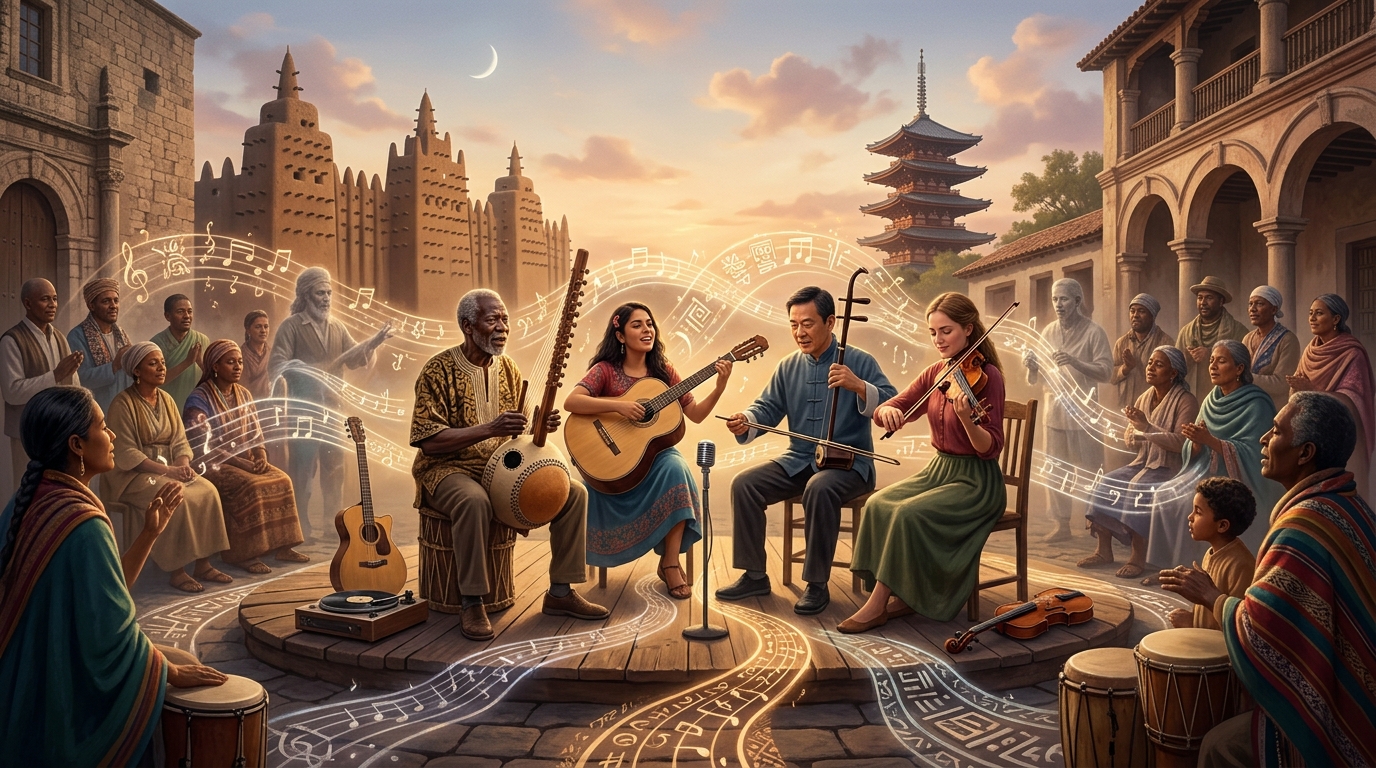
Music, food, fashion, celebrations, and customs can cross borders almost instantly. This can produce cultural blending, where traditions from different societies influence each other.
But globalization can also encourage preservation.
When people see their culture becoming less common, they may become more determined to protect it. Cultural organizations, schools, museums, and younger community members can revive languages, crafts, festivals, and ceremonies that were once declining.
Sometimes outside attention even gives a local tradition a new reason to survive.
The Meaning May Matter More Than the Original Form
Perhaps the most important change is that traditions are increasingly separated from their original form.
A ceremony may become shorter. A recipe may gain new ingredients. A festival may move from a village square to a city center. A family ritual may happen through a screen.
Yet the underlying purpose can remain.
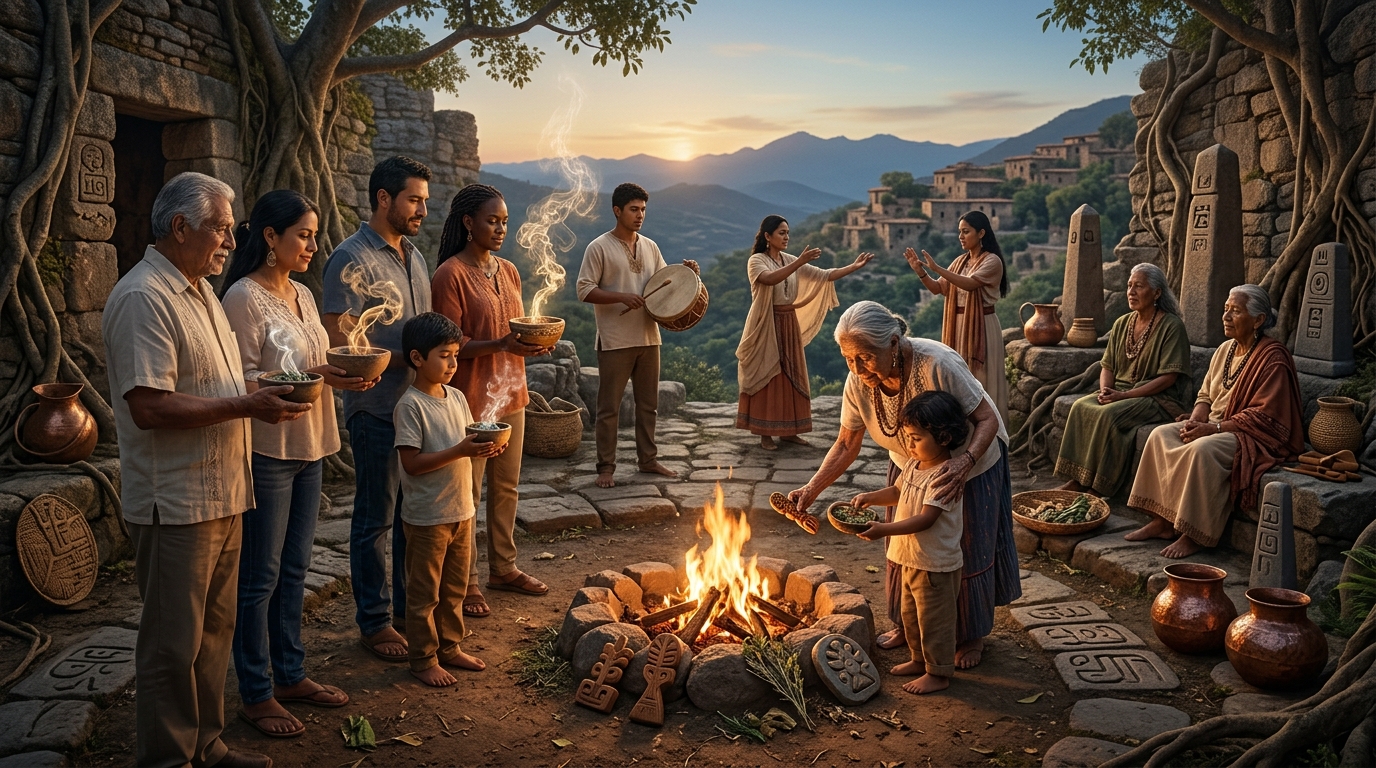
Traditions often exist to create belonging, remember ancestors, mark important moments, strengthen relationships, or give communities a shared identity. If those purposes survive, the tradition itself may continue—even if its appearance is completely different.
Traditions Are Not Always Meant to Stay the Same
Modern life is changing traditions around the world, but change does not automatically mean cultural loss.
Traditions have survived for centuries precisely because people have adapted them to new circumstances. Every generation decides, consciously or unconsciously, which elements to preserve, which to modify, and which to leave behind.
The real question may therefore not be whether modern life will change traditions. It already has.
The more interesting question is which parts of those traditions people will decide are important enough to carry into the future.
In a rapidly changing world, tradition may survive not by remaining exactly the same, but by finding new ways to remain meaningful.


Leave a Reply