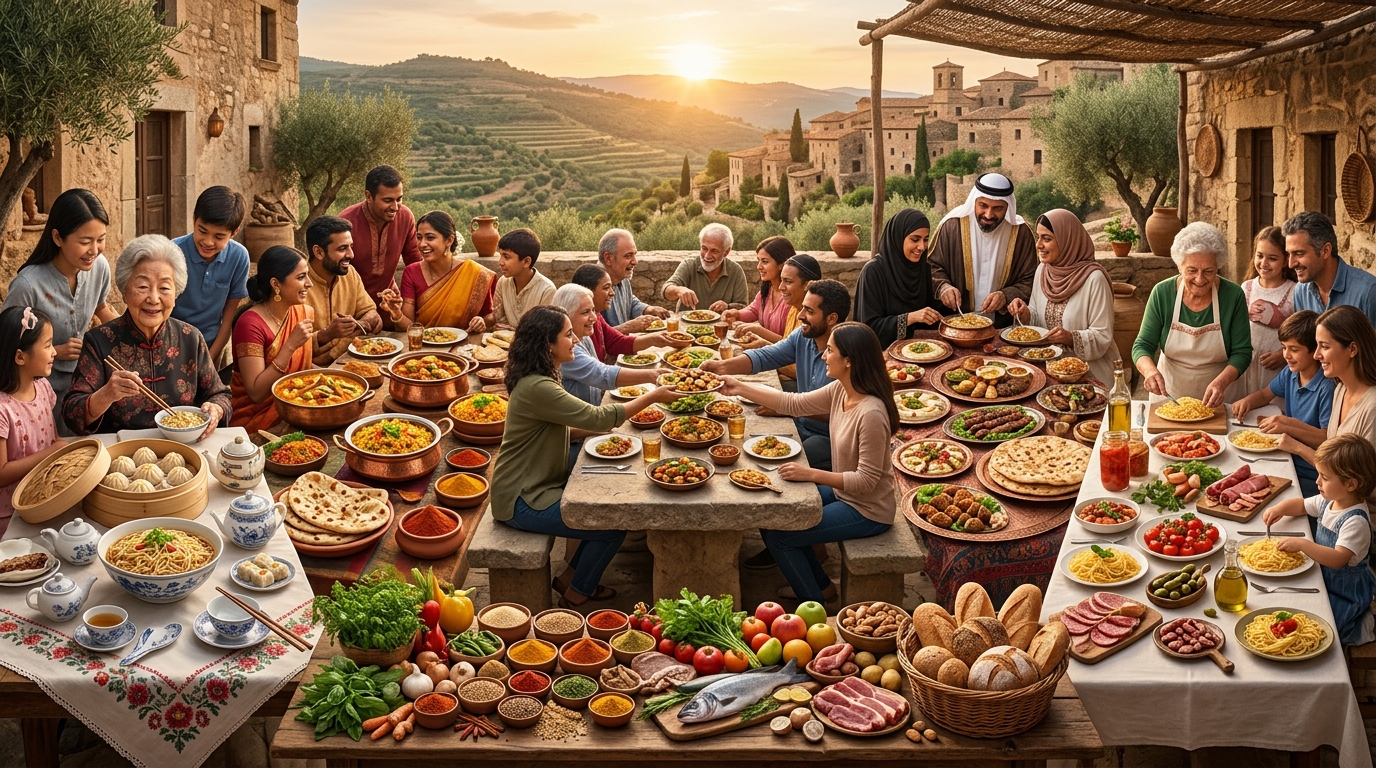
Every dish placed upon a family dinner table carries a silent narrative that stretches back across generations. Far beyond simple sustenance, culinary practices serve as living historical archives, reflecting the migrations, struggles, geographical landscapes, and values of the cultures that created them.
The Edible Footprints of Migration and Trade
When people move across oceans and borders, they carry their cherished family recipes along with them. Over time, these dishes adapt to new landscapes, blending native ingredients with traditional cooking methods to craft entirely new culinary identities.
The Global Journey of the humble Noodle
Consider the remarkable path of the noodle, which traveled along ancient trade networks like the Silk Road. From Chinese lamian to Italian pasta and Japanese ramen, this simple mix of flour and water evolved to suit local palettes while retaining its original purpose as a comfort food.
Cultural Fusion on a Plate
In regions influenced by diaspora communities, fusion dishes emerged out of sheer survival and creativity. Louisiana Creole jambalaya and Tex-Mex tacos highlight how marginalized communities blended indigenous, African, and European food customs to create iconic culinary legacies.
Preserving Heritage Through Fermentation and Curing
Before modern refrigeration, survival depended on the ingenious art of preservation. Communities developed distinct techniques to keep food edible through harsh winters or long desert journeys, turning necessity into beloved tradition.
The Taste of Resilience
Distinct flavors like Korean kimchi, German sauerkraut, and European dry-cured meats originated as preservation techniques. Today, these complex, fermented flavors are celebrated as core representations of national identity and cultural pride.
Rituals, Feasts, and Community Bonds
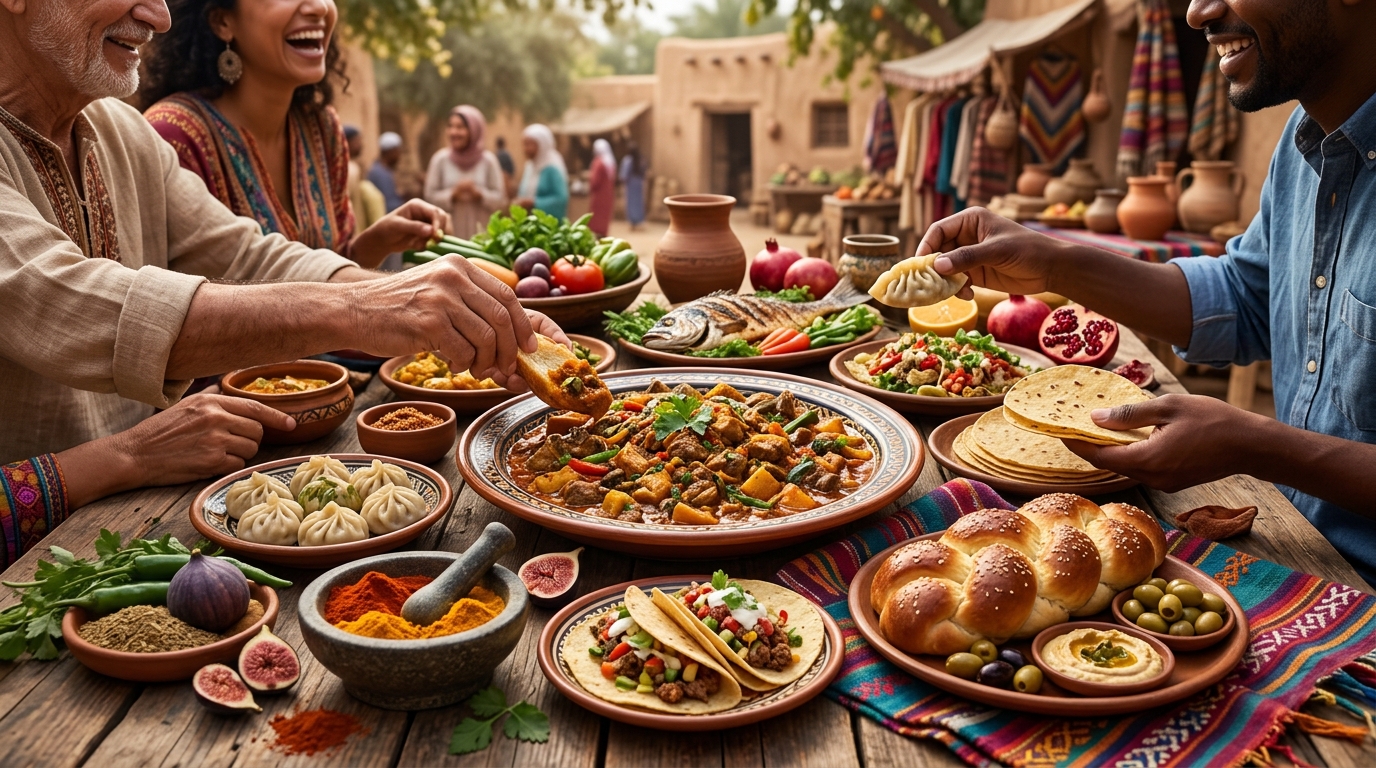
Food has always possessed a unique power to bring people together, transforming routine meals into powerful communal experiences that reinforce shared identity and sacred traditions.
The Sacred Meaning Behind Holiday Feasts
During major cultural celebrations, specific ingredients take on deep symbolic meanings. From the sweet rice cakes served during Lunar New Year to the symbolic foods arranged on the Jewish Passover Seder plate, every bite honors historical memory and spiritual beliefs.
Passing the Torch to Future Generations
Cooking methods passed down orally from grandparents to children ensure that cultural stories remain vibrant and alive. By preserving these traditional preparation techniques, communities safeguard their rich history against the tide of modern globalization.





Leave a Reply