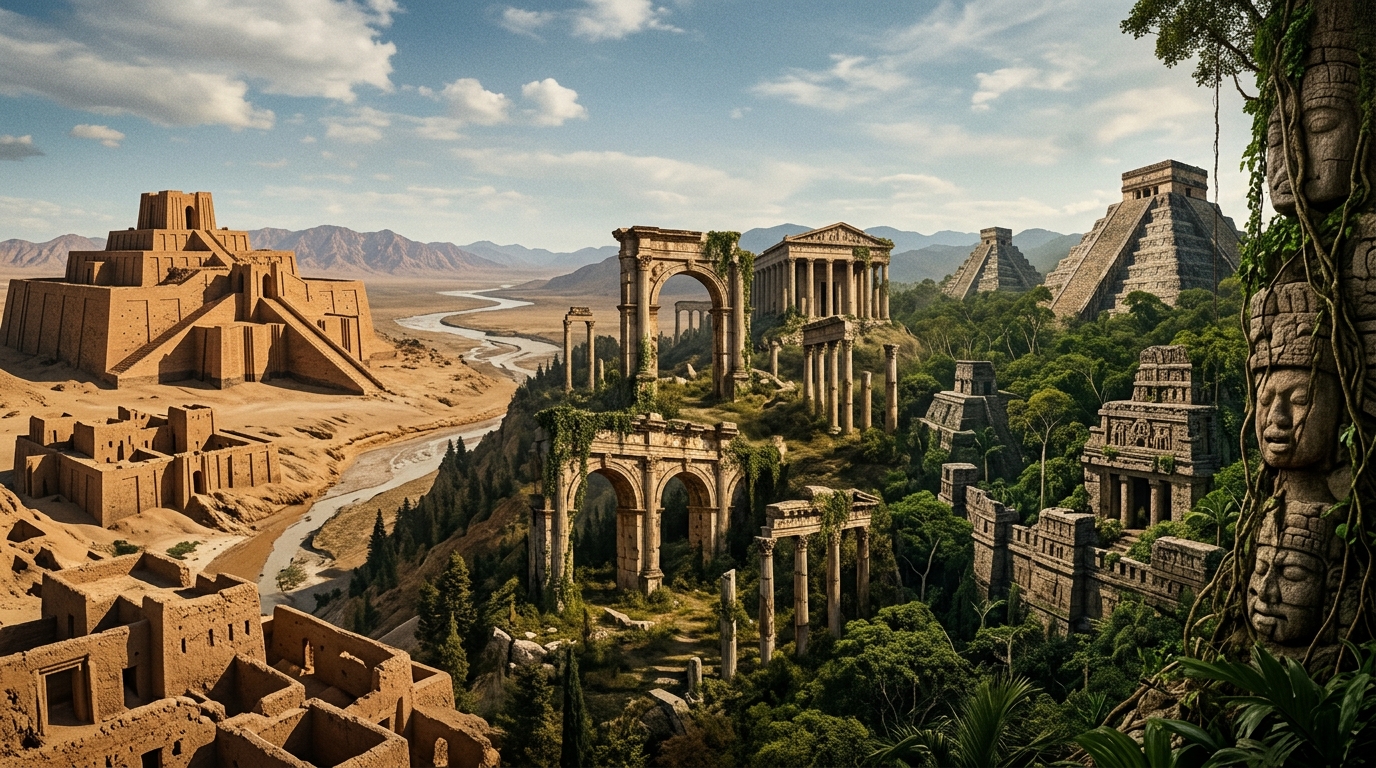
Throughout human history, magnificent metropolises have risen to the pinnacle of power, culture, and wealth, only to vanish into the pages of history or lie buried under centuries of dirt. These lost urban centers were once considered invincible, boasting architectural marvels and thriving populations that seemed destined to endure forever. Yet, from ancient Mesopotamia to the dense jungles of Mesoamerica, even the most powerful civilization centers eventually crumbled. Understanding why these great urban centers collapsed offers a fascinating glimpse into human vulnerability and resilience.
The Triggers Behind Great Urban Collapses
Great cities do not vanish overnight without significant pressures acting upon them. Instead, their downfall is usually the result of a catastrophic event or a slow, unrelenting decline. By looking at historical patterns, historians and archaeologists have identified key catalysts that repeatedly brought ancient superpowers to their knees.
Environmental Degradation and Climate Shifts
One of the most frequent killers of early civilizations was environmental change. When local climate patterns shifted, cities that relied heavily on delicate agricultural systems faced devastating food shortages and ecological collapse.
Severe Droughts and Failed Water Systems
Many metropolises built complex irrigation networks to sustain their growing populations. However, prolonged droughts could instantly turn fertile farmland into dust bowls. The Maya civilization, for instance, experienced severe multi-year droughts that crippled their reservoir systems, leading to widespread famine, urban abandonment, and the loss of once-thriving city-states.
Soil Salinization and Agricultural Failure
In regions like ancient Mesopotamia, over-irrigation led to high salt levels in the soil. Over generations, crops could no longer grow, destroying the agricultural backbone that supported massive populations in cities like Ur and Uruk.
Economic Shifts and Trade Route Disruptions
Cities often flourish because they sit at key trade intersections. When international trade routes shift due to political realignments, new transportation technologies, or naval discoveries, booming commercial hubs can quickly lose their economic vitality and purpose.
The Decline of Desert Trade Hubs
Cities such as Petra in modern-day Jordan grew immensely wealthy by controlling lucrative spice and incense trade routes. However, as maritime trade routes expanded under Roman influence, land-based caravan routes became obsolete. Petra gradually lost its commercial importance, leading its residents to abandon the rock-cut city.
Resource Depletion and Wealth Loss
When a city relies entirely on a single finite resource, such as gold, silver, or timber, the exhaustion of that resource spells immediate economic ruin. Without money flowing through the economy, maintenance on public infrastructure ceases, driving citizens away.
Catastrophic Warfare and Foreign Invasions
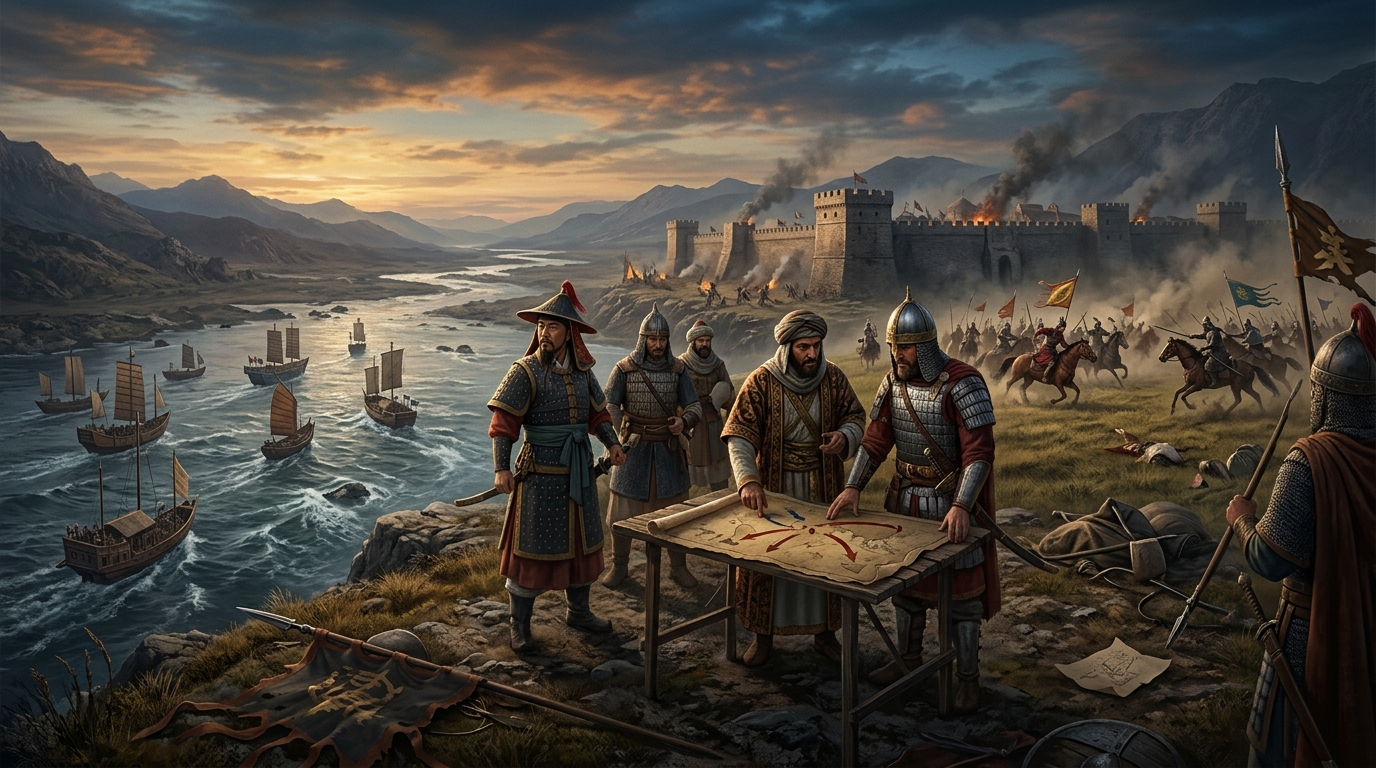
The concentration of wealth and power makes great cities prime targets for rival empires. While many cities recovered from sieges, others suffered utter annihilation at the hands of conquerors who burned them to the ground and scattered their surviving populations.
Total Destruction by Hostile Forces
The famous empire of Carthage was a dominant Mediterranean power until its final defeat in the Third Punic War. Roman forces systematically destroyed the city, enslaving the survivors and ensuring that the once-mighty urban center could never rise again to challenge Rome.
Internal Rebellions and Civil Unrest
Warfare was not always external. Internal power struggles, extreme class inequality, and political corruption often sparked bloody civil wars. The internal chaos weakened city defenses, disrupted food supplies, and left urban centers vulnerable to collapse from within.
The Modern Lessons Written in Ancient Ruins
The disappearance of the world’s greatest historical cities serves as a timeless reminder that human progress is not immune to natural and self-made disasters. Modern metropolises face similar challenges today, including climate change, resource scarcity, and economic volatility. By studying the downfall of ancient urban centers, humanity gains vital lessons on the importance of sustainability, adaptability, and resilience in preserving the cities of tomorrow.




Leave a Reply