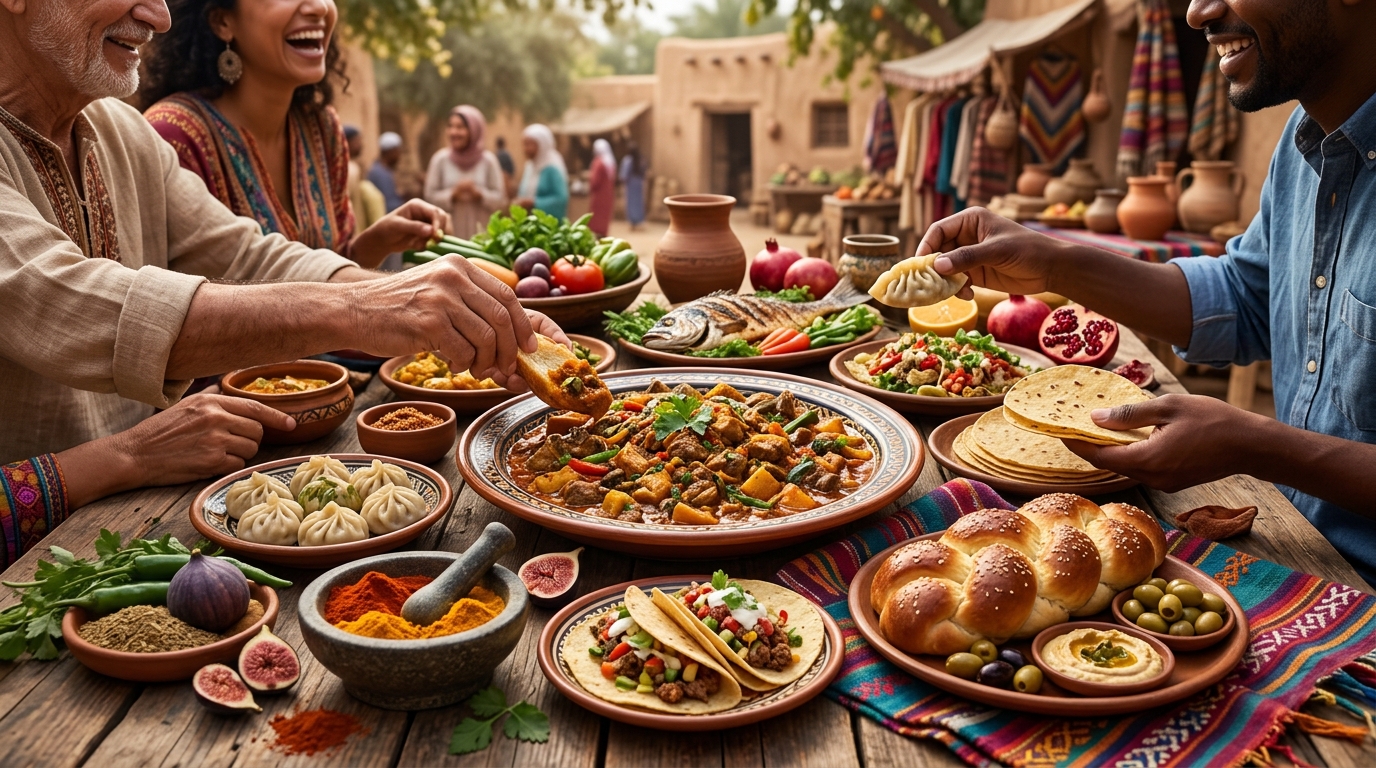
Food is far more than simple fuel for the human body; it is a living, breathing archive of history, culture, and human connection. Every time a traditional dish is prepared, centuries of trade, migration, climate adaptations, and social triumphs are served on a single plate. Across every continent, food traditions act as an enduring mirror reflecting the true spirit, values, and journey of entire communities.
Flavors Forged in History and Geography
The ingredients found in traditional dishes often tell the story of a community’s geographic environment and historical survival. Long before modern refrigeration and global shipping networks existed, communities relied entirely on native crops, seasonal weather, and local livestock.
The Art of Preservation and Adaptability
In harsh northern climates, techniques like smoking, salting, and fermenting became vital strategies to survive brutal winters. Fermented foods like Korean kimchi or Scandinavian gravlax began as practical preservation methods born out of necessity. Over time, these survival techniques evolved into celebrated culinary signatures that define the taste profiles of whole nations today.
Sacred Recipes Passed Through Generations
These methods were carefully refined and handed down from generation to generation, turning raw necessity into sophisticated tradition. Grandparents taught children not just the mechanics of cooking, but the deep patience required to honor their ancestors’ ways of living.
Culinary Crossroads and Cultural Fusion
When people move, their recipes travel with them, creating new food traditions that document historical migrations, trade routes, and cultural exchanges. The vibrant culinary landscapes of modern cities are living testaments to how different cultures interact, blend, and reshape one another over time.
How Trade Routes Reshaped National Palettes
Consider the global spice trade, which permanently altered how entire regions cooked. The introduction of ingredients like chili peppers from the Americas to Asia completely transformed Indian, Thai, and Sichuan cuisines. A single spice can trace ancient trade routes and reveal how open a community was to external influences.
The Power of Communal Dining
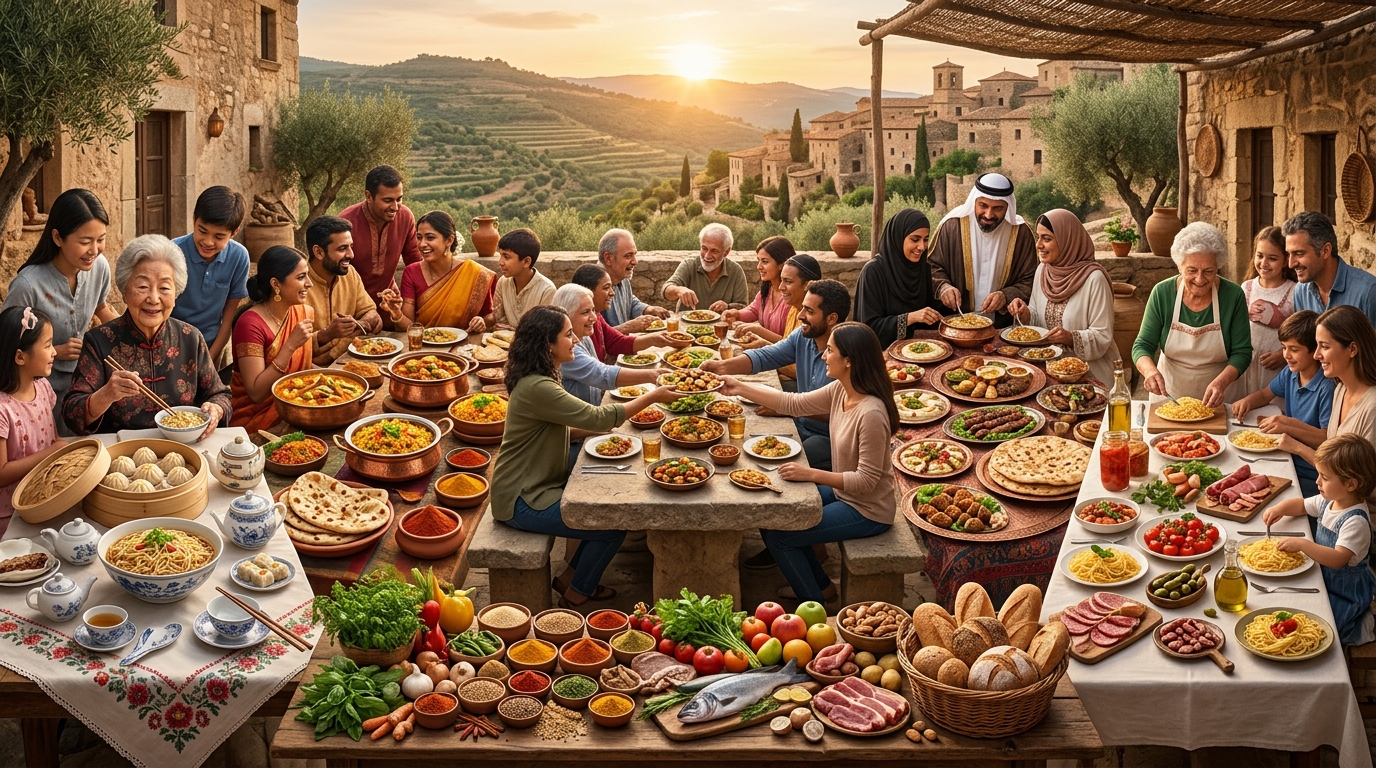
Beyond the ingredients themselves, the way food is shared reflects a community’s core social values. Many cultures emphasize communal plates, family-style dining, or festival feasts, reinforcing solidarity, generosity, and strong social bonds every time a meal is shared.
Ultimately, preserving traditional foodways is about safeguarding identity. As the world becomes increasingly interconnected, honoring these culinary roots ensures that the rich, diverse stories of human history remain alive at our tables.






Leave a Reply